

Birds are amazing animals. They come in an astonishing variety of shapes, sizes, and colors. Yet despite this diversity, all birds share some essential traits: they have two wings (some also have a tail), beaks for eating and nesting, feathers for insulation and flying, and hollow bones for lightness.
There’s no better way to explore these amazing creatures than by birdwatching, observing them as you would any other living thing in nature. Experts call this practice birding. With a good setup and some practice, you can learn to identify many different kinds of birds.
This article will take you through the different types of birding, the equipment you’ll want to get started, useful mobile apps for birdwatchers, and what to expect from different parts of the country.
Quick Reference: Birding Types, Gear, and Skill Level
This table gives you a fast overview of the different ways to get into birding, along with what you’ll realistically need and how approachable each style is for a newcomer.
Birding Style | Best For | Essential Gear | Skill Level | Estimated Cost to Start |
Backyard Birding | Beginners, families | Bird feeder, binoculars | Beginner | $20 to $100 |
Local Park Walking | Beginners to intermediate | Binoculars, field guide | Beginner | $50 to $200 |
Beach Birding | All levels | Binoculars, sunscreen, water | Beginner | $50 to $200 |
Midwest Migration Watching | Intermediate | Binoculars, eBird app | Intermediate | $100 to $300 |
Destination Birdwatching | Serious birders | Full kit, field guide, camera | Intermediate to Advanced | $500 and up |
Big Game Bird Hunting | Hunters, outdoor enthusiasts | Shotgun, permit, hunting license | Intermediate | $200 and up |
Types of Birding
When birdwatching, there are several different options available to you. Certain forms of birding are easier than others, depending on your location and skill level. Notably, Birding in an urban environment is far more complex than birdwatching in a rural or suburban setting.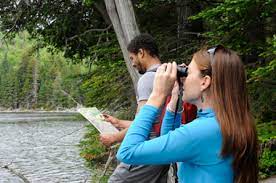
Walking Around a Local Park
This is a great way to familiarize yourself with the birds in your area. On your walk, you can stop and observe different types of birds, making sure to check out the local nests if they’re visible. With some time and patience, you can identify many of these common urban birds by their song alone.
Most parks in the USA are within city limits, which can make them quite crowded. Make sure to pick a time when the park isn’t too busy, and consider bringing a friend to watch your back. To increase your chances of getting an up-close look at a bird, try to arrive early and near dawn or dusk. This is when wildlife is most active.
It also helps to move slowly and deliberately. Quick movements and loud sounds will scatter birds before you ever get a good look at them. The birders who see the most are usually the ones willing to stand still for a few minutes and simply listen before they start scanning the trees.
Beach Birding
It’s not only humans that find the beach rewarding. The wide-open spaces, tall cliffs, and crashing waves are perfect for birds to catch fish. The relative lack of trees on the beach means there are more miles of uninterrupted birding potential.
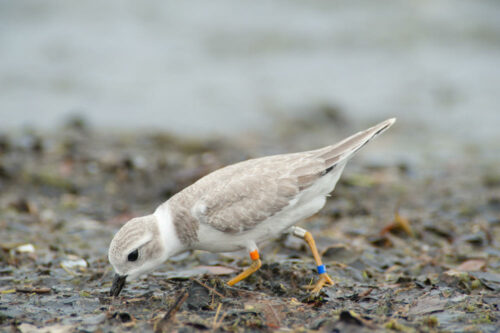
You can find many bird species along the coast. Some include seagulls, terns, ducks, pelicans, and sparrows. To start, pick an area along the beach and walk in either direction. Consider bringing binoculars with you to get a closer look at some of these migrants.
Since you’ll be spending a lot of time on the water, make sure to bring sunscreen and plenty of drinking water. You can walk up and down the beach or take a kayak out; both options will offer different views and species, so it’s worth trying them both.
Tide schedules matter more than most beginners realize. Low tide exposes mudflats and sandbars that attract shorebirds like sandpipers, dowitchers, and dunlins. If you can time your beach birding session around low tide, you will dramatically increase both the number and variety of birds you encounter.
Destination Birdwatching Trips
There are bird species all over the world. Some of these rare birds are so elusive that it will take years or decades to correctly identify them, let alone be observed in the wild. Places like the Galapagos give you a unique way to see birds — like Darwin’s Finches — that are hard to see elsewhere.
Kruger National Park in South Africa is another popular birding destination, especially for those of us in North America or Europe who may not ever have another chance to see some of these African species.
For this reason, many serious birdwatchers go on long trips to find their target species. Along the way, they often visit other nearby attractions like scenic views, national parks, or museums. Make sure to do plenty of research before you go; keep an eye out for local tips and tricks that may help you find your bird more easily.
Although these trips can be pretty expensive, some don’t require you to hire a travel agent. For example, the Christmas bird count lets you explore different parts of the USA while also chasing rare migratory species. If you aren’t sure where to go, consider visiting bird hotspots like The Everglades, which is home to more than 300 species of birds.
Big Game Bird Hunting
Every year, millions of hunters take to their local forests searching for deer, ducks, wild pigs, and other small game. However, the thrill isn’t killing an animal; it’s finding one first. For many, being in the bird’s natural habitat (or in the case of waterfowl, catching a glimpse of birds as they come through on their flyway) is a commune with nature.
Bird hunters use a variety of techniques like spotting or using dogs to find their prey. Once they spot a bird, hunters often use a shotgun to bring it down and collect their prize. Although this may sound like an inhumane way to treat birds, it’s quite the opposite.
Hunting game preserves some bird populations over time by regulating overpopulation in small areas. However, to participate in such a hunt, you’ll need to get a permit from the local wildlife department, and perhaps a gun safety course.
Backyard Birding
Backyard birding is a great way to start birdwatching. Unlike a trip, this is something you can do daily or weekly. If you have a garden or a yard, consider setting up a bird feeder and spending some time watching the birds that appear every day on your lawn. This will give you a chance to acquaint yourself with local species and note exciting sightings.
To attract birds, consider putting up a bird feeder filled with seeds or nuts. You can also buy pre-made foods in many pet stores to attract different species. If you have enough, try growing a small garden or planting some flowers or native plants. However, for some birds, like hummingbirds, food is secondary; they love brightly colored flowers.
Adding a birdbath is another easy and effective upgrade. Birds need fresh water for drinking and bathing, and a simple shallow dish placed near your feeder can bring in species that might otherwise skip your yard entirely. Changing the water every couple of days keeps it clean and keeps birds coming back.
Birding Gear and Accessories
Birdwatching is a cheap hobby unless you make it expensive, which can be done with virtually every hobby if you try. Unlike the folks who have their Yakima rooftop cargo carrier full of outdoor gear, or a bike rack mounted to their hitch with expensive cycles hanging off, most birders can throw a couple things in their backseat and head to their favorite watching site.
There are only a few things you need to start your birding experience.
Binoculars
Perhaps the most essential birdwatching accessory is a good pair of binoculars. They allow you to see the finer details of a bird’s plumage, behavior, habitat, and more. Binoculars are best for amateur birdwatchers because they’re relatively cheap and easy to use.
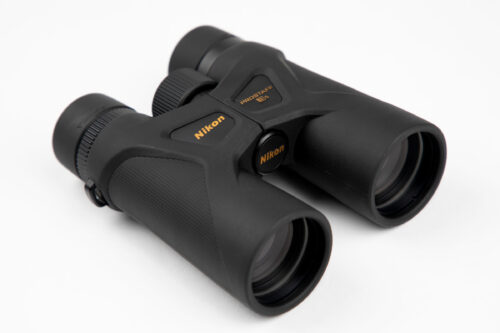
The best birding binoculars will have a high magnification power of at least 8x. This is enough to get a closer look at birds without causing any disturbance. Consider the weight of the binoculars too. You don’t want something that will weigh you down when you carry it.
On average, a good pair will cost you between $100 and $300; professional-grade binoculars can cost up to $1000. However, even the cheapest items are better than nothing. Note that you may not need a pair as you continue to gain knowledge and become more serious.
The birding optics we really like are often the same that we recommend for hunting optics and other outdoor activities, because the thought process is largely the same: What kind of zoom and clarity do you want, in exchange for carrying a heavier piece of equipment around with you.
One spec worth paying attention to beyond magnification is the objective lens diameter. An 8×42 binocular, for example, has an 8x magnification and a 42mm front lens. A larger objective lens gathers more light, which makes a significant difference during low-light birding at dawn or dusk when birds tend to be most active.
A Birding Field Guide
When you’re starting, it can be hard to identify birds by yourself. To take up this hobby seriously, consider buying a good birding field guide. These books come filled with photos of common and rare species, maps of nesting areas, and birdwatching tips.
For instance, the National Geographic Field Guide to the Birds of North America highlights more than 1000 species. It contains detailed information about birds’ ranges and behaviors, as well as their calls and songs. This book is perfect for beginners and experts alike; it has information on common and rare birds.
Birding guides can either focus on a particular location or be region-specific. Once you become comfortable with a local guide, you can move on to a more detailed book. Soon enough, you’ll be able to identify birds without a guide.
If you prefer to travel light, many birders keep a compact regional guide in their pack and save the comprehensive national reference for home use. The Sibley Guide to Birds is another widely respected option that many experienced birders swear by, particularly for its detailed illustrations of birds in different plumages across seasons.
Notebook and Pen
Birdwatching is a part-time hobby; you do it in your spare time. To make the most of this activity, consider keeping a birding journal to track your sightings and identify species. This way, you’ll be able to keep track of your progress.
There are many birding journal options out there. The good idea is to use a small notepad that you can slip into your pocket or bag at all times. Record the date, time, location, and other details about every sighting. Later on, you can look back through your journal and perhaps identify a pattern in your sightings.
Over time, your journal becomes something genuinely valuable. It documents your learning curve, helps you recognize seasonal patterns at your local spots, and gives you a personal record of every lifer, which is the term birders use for the first time they ever spot a particular species.
Camera
Some birders simply want to catch a glimpse of a bird, and if it is really notable, maybe take a photo with their phone. Others are more serious about getting high-res pictures of many of the birds they see, and will carry a camera. We won’t get into the finer points of cameras here — there are camera websites for that — but will just say that it will add weight and bulk to what you are carrying with you.
If you carry a camera while birding, you might want to invest in a 3-point camera sling which makes it far more comfortable to carry a camera with you while you navigate. At a minimum, we recommend having a fanny pack or backpack along to lighten the load.
Backpack
When you’re birdwatching, it’s helpful to carry a backpack. You can use this to store your binoculars, notebook, camera, food and water supply, and so on. Again, comfort is vital; avoid anything that will weigh you down or slow you down too much.
You should also consider the size of your pack. You’ll want to bring everything with you on your birdwatching adventures, so a small backpack may not cut it. On the other hand, if you don’t require much gear, you can reduce weight by bringing what’s necessary.
Your ideal backpack should have plenty of storage compartments and support straps for stability. Make sure there’s a pocket or two for water and food. If you’re carrying many items, consider bringing along a waist strap to distribute the weight comfortably.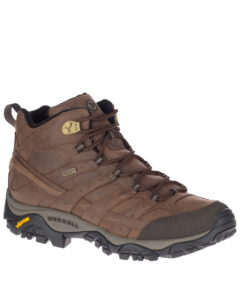
Clothing
When it comes to what you wear, make sure you’re comfortable. Avoid anything too tight or loose. You don’t want your clothes to get caught on branches or bushes as you move around.
A hat for sun protection is also advisable. If you aren’t walking on trails, make sure your clothes are suitable for the environment at all times. For instance, you might get caught in an unexpected rain shower while birdwatching; if so, waterproof clothing is essential.
Consider any factors that could influence the weather (and the habitat). For example, you’ll want to wear a waterproof jacket if it’s raining. On the other hand, a warm outfit is best in cold or windy conditions.
You won’t always stick to the trails while birdwatching. At some point, you may have to go for a hike or cross some rough terrain. When it comes to footwear, it’s all about comfort. You might want to wear hiking boots or lightweight, flexible sneakers that won’t slow you down.
Color is worth considering as well. Neutral tones like tan, olive, brown, and gray tend to blend into natural settings better than bright colors. You don’t need to go full camouflage, but avoiding a bright red jacket at your local nature trail can make a real difference in how close birds will let you get before they flush.
Useful Apps for Birdwatching
There are several apps available for birdwatching. When choosing what to download, think about how you plan to use it. For example, consider the location-finding abilities of your device(s) and whether you want eBird or Merlin integration.
EBird
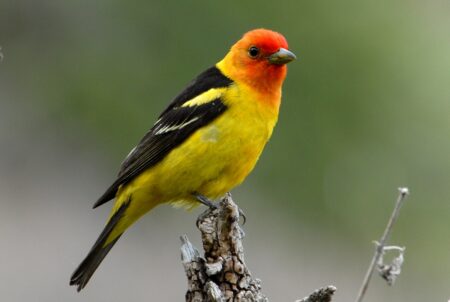
eBird is the largest database of bird sightings in the world. It provides you with information on where and when to see specific birds, among other things. It’s a free resource where you can also report your bird sightings.
You can use eBird to find out what birds are present in a specific location. This way, you can identify your targets and plan your birdwatching activities accordingly. Alternatively, use eBird to identify hot spots for different birds, so you know where to look when you get there.
Merlin
Merlin is a free bird id app. It’s a valuable companion for birdwatching in several ways. For instance, you can use this app to get data on known or likely bird species. You can also use Merlin to record your sightings and identify what birds you saw throughout the day.
Through its sound id features, Merlin allows you to identify bird species by their song. You can also use sound recognition to help find specific birds or find more information on recordings you’ve already made. For instance, play one of your animal sounds at home and see what comes up in the app.
Audubon Bird Guide
A guide to more than 800 North American bird species, the Audubon Bird Guide is free to download. It contains photos of each bird with descriptions, range maps, and voice recordings. It’s free to download and use, although you’ll have to sign up and log in to use the app.
Birdseye
Birdseye is another popular birdwatching app. It provides you with information on thousands of bird species around the world. Like Merlin, you can use Birdseye’s sound recognition features to identify birds by song or call. You can also create multiple lists of birds for different locations and share them with others if desired.
What to Expect in Different Parts of the Country when Birding
Different parts of the US have different bird populations, species, and habits. For this reason, birdwatching varies in different regions of the country. Some species are rare in certain areas, while others are abundant.
Birding in the Northeast
Perfect for cool summers and cold winters, the Northeast is a favorite birdwatching destination for many people. It’s home to Acadia National Park in Maine, with over 20 miles of trails open to birdwatchers and over 338 bird species.
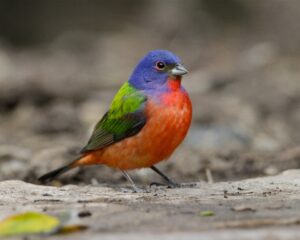
In general, you’ll find more water birds and raptors in this area. The American black duck, Dark-eyed junco, common loon, White-breasted Nuthatch, Baltimore oriole, and the bobolink are only a few of the many birds that live in the Northeast.
Fall hawk watching is a special draw in the Northeast that deserves its own mention. Sites like Hawk Mountain Sanctuary in Pennsylvania and Cape May in New Jersey are among the best places in North America to watch raptors during their southward migration, with thousands of broad-winged hawks, sharp-shinned hawks, and other species passing through on peak days.
Birding in the Southeast
The Southeast is a popular destination for birders. This area has a hot and humid climate, making it an ideal environment for many tropical birds. You can see everything from grassland species in the Mississippi Delta to coastal seabirds around Alabama’s Gulf Coast while birding in this region. Some common birds in Southeast birdwatching include the glossy ibis, black skimmer, fish crow, limpkin, and wood stork.
Birding in the Midwest
The Midwest is rich with birdlife, but many of its native species are threatened. It boasts several trails and the famous Mississippi Flyway, which is a major bird migration route. In Chicago, there are more than 58 birding sites. Expect to see more waterbirds, shorebirds, and gulls in this area. Many love to see the Spring bird migration in the Midwest as birds return from their winter home, best in March through May. Some common birds to look for include; the cardinal, cranes, Carolina wren, and the American white pelican.
Birding in the South
The South is a birdwatcher’s dream. It is home to famous sites like the Great Dismal Swamp, which offers a variety of habitats and over 200 bird species. It’s also home to endangered bird species, including the Swainson’s warbler and the wood stork. In the South, birds you might see include the mallard, anas, cattle egret, and the black skimmer. Texas can be a great place to find rare birds like the Painted Bunting. If you have the budget for it, heading to Florida can be a bucket list trip for a birder — especially if you incorporate the Everglades and the Keys.
Birding in the West
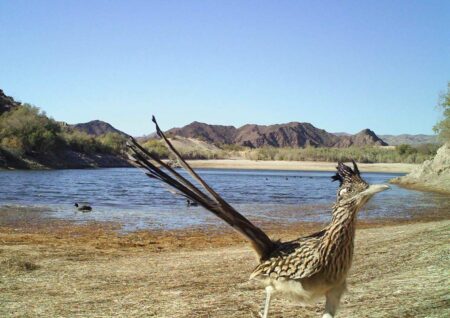
The natural habitats of the west are rapidly changing. From deserts in California to forests in Washington, you can find a variety of bird species across the region. The west is home to birdwatchers’ favorite trails, such as the Arizona Birding Trail, Colorado birding trail, and the Montana Birding and Nature Trail. Some unique birds you’ll come across include the great roadrunner (more common in the California desert) and the brewer’s sparrow.
The Pacific Coast also offers exceptional shorebird and seabird watching, particularly during fall migration. Point Reyes National Seashore in California is one of the top birding destinations in the entire country, regularly attracting rare Asian vagrants alongside more expected Pacific Coast species.
Birdwatching Bottom Line
If you’re looking to get up close and personal with some of the fascinating creatures on earth, birding might be just what you need. Whether it’s in your backyard or across the country, there are plenty of birds for you to explore.
With so many different species out there, no matter where you go or who you talk to about birdwatching, everyone will have their own opinion as to which is best. If all this sounds like something that interests you but also seems intimidating, consider starting small.
Frequently Asked Questions About Birding and Birdwatching
What is the difference between birding and birdwatching?
The two terms are often used interchangeably, but there is a subtle distinction that many enthusiasts recognize. Birdwatching tends to describe casual observation, often from a fixed spot like a backyard or park bench. Birding implies a more active and intentional pursuit, where the person is traveling to specific locations with the goal of finding particular species. That said, plenty of people use both words to mean the same thing, and there is no rule that says you have to pick a side.
What binoculars are best for a beginner birder?
For most beginners, an 8×42 binocular hits the sweet spot between magnification, brightness, and ease of use. Models from brands like Nikon, Vortex, and Celestron offer good quality in the $100 to $200 range without requiring a major commitment. As you get more serious, you can always upgrade to something better.
What is the best time of day to go birdwatching?
Early morning is generally the best time, particularly in the hour or two after sunrise. This is when birds are most active, feeding and singing. The period just before sunset can also be productive. Midday tends to be quieter, especially in warm weather when birds rest in the shade.
What is a “lifer” in birding?
A lifer is a species that a birder is seeing for the very first time. Many birders keep what is called a life list, which is a running record of every distinct species they have ever observed. Chasing a lifer is one of the main motivations behind destination birdwatching trips.
Do I need to be quiet while birdwatching?
Keeping noise to a minimum definitely helps. Sudden loud sounds will startle birds and cause them to fly away before you get a good look. Moving slowly and speaking softly, or not at all, gives you a much better chance of observing natural behavior up close.
Is birdwatching a good hobby for kids?
Birdwatching is one of the better outdoor hobbies for children because it requires very little equipment to get started, it can be done close to home, and it builds observation skills, patience, and an appreciation for nature. Starting with backyard bird feeders is usually the easiest entry point for younger kids.
What is the eBird app, and is it really free?
eBird is a free app and online platform run by the Cornell Lab of Ornithology. It serves as a global database of bird sightings contributed by millions of birders. You can use it to log your own sightings, find out what birds have been spotted near you, and identify productive birding hotspots in any region. There is no cost to use the core features.
Can I go birdwatching without any gear at all?
Absolutely. Plenty of people get started with nothing more than their eyes and ears. That said, even an inexpensive pair of binoculars will dramatically improve your ability to identify birds and enjoy the experience. Think of gear as something you build up gradually as your interest grows, not something you need to have figured out before your first outing.